Understanding Cuban Cigar Flavours & Perfect Pairings | Toro Puro
Understanding Cuban Cigar Flavours and Perfect Pairings
Introduction
Cuban cigars are celebrated for their complexity and depth of flavour. Connoisseurs speak of earthy undertones, sweet accents, spice, leather and even floral notes. Appreciating these nuances requires a basic understanding of how cigars are categorized, how their flavours evolve during smoking and how to complement them with beverages and foods. This guide explores the range of Cuban cigar flavours, explains wrapper colours and pairings, and offers tips for storing and enjoying your cigars to their fullest potential.
Our Blog Posts
Cuban Cigar Guide
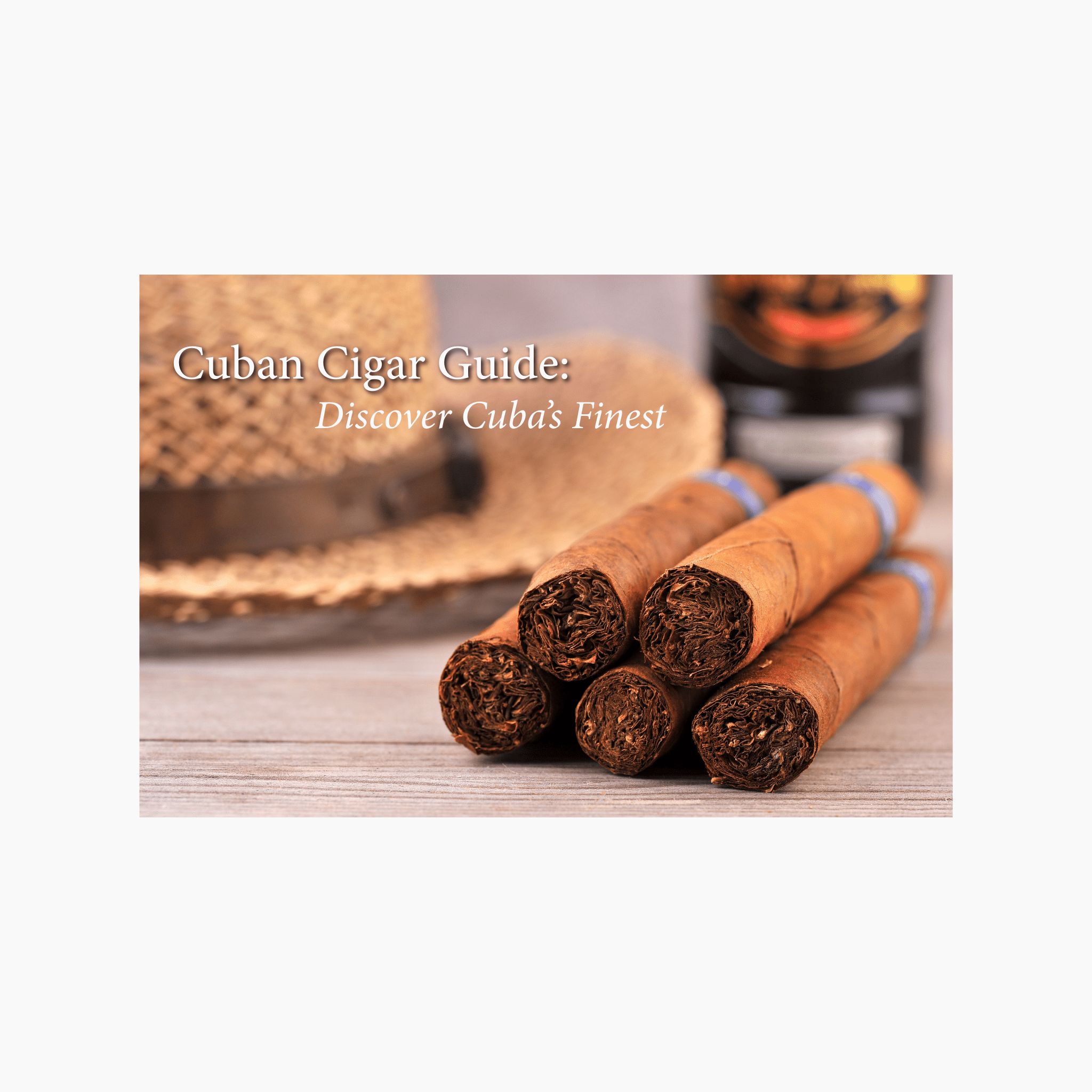
Description
The Spectrum of Cuban Cigar Flavours
The flavour of a cigar is determined by several factors: the tobacco varietal, the region of cultivation, the fermentation and aging processes, and the blend of leaves used for the filler, binder and wrapper. Cuban cigars typically fall into three body categories:
Mild‑Bodied: Mild cigars offer gentle flavours with low nicotine strength. They might feature creamy, grassy or nutty notes. Such cigars are well‑suited to beginners or mornings when heavier flavours may be overwhelming.
Medium‑Bodied: Medium cigars strike a balance between richness and subtlety. They often present notes of cedar, cocoa, coffee and gentle spices. Many Cuban cigars fall into this category, making them versatile.
Full‑Bodied: Full‑bodied cigars deliver intense flavours and higher nicotine levels. Common tasting notes include earth, leather, pepper and dark chocolate. These cigars are best enjoyed by experienced smokers or paired with strong beverages.Cigars also exhibit changes in flavour throughout the smoke. The initial third may present lighter, sweeter notes; the middle third can become richer and spicier; and the final third often intensifies, releasing the cigar’s strongest aromas. Paying attention to these transitions enhances appreciation.
Wrapper Colours and Their Significance
The wrapper leaf influences not only a cigar’s appearance but also its flavour and aroma. Cuban cigars generally feature several wrapper shades:
Claro (Light): Light tan in colour, Claro wrappers are usually shade‑grown under cloth tents, producing delicate flavours. They lend creamy and grassy notes and are common in mild cigars.
Colorado Claro (Medium Brown): These wrappers are slightly darker than Claro, offering more pronounced flavours. Expect cedar, toast and subtle spices.
Colorado (Reddish Brown): Red hues indicate natural sun exposure. Such wrappers add complexity with hints of nuts and baking spices.
Colorado Maduro and Maduro (Dark Brown to Black): Dark wrappers undergo longer fermentation, developing rich, sweet, and sometimes earthy flavours. Notes of coffee, cocoa, molasses and dried fruit are common.Although the wrapper contributes significantly to taste, the blend of filler and binder also influences the overall profile. Not all dark wrappers are strong; some can cover milder fillers, and vice versa.
Pairing Cuban Cigars with Beverages
Pairings accentuate or balance the flavours of cigars, creating synergy on the palate. Consider matching body and intensity to avoid overpowering either element.
Rum: The natural companion to cigars, aged rum offers sweetness, vanilla, caramel and oak that complement medium‑to‑full bodied cigars. Cuban rums, with their smoothness and subtle spice, pair beautifully with cigars from the same island.
Whisky: Smoky Scotch pairs with earthy, peaty cigars, while sherried or wine‑finished whiskies enhance cigars with fruity and nutty notes. Bourbon, with its vanilla and caramel, harmonizes with cigars featuring chocolate or coffee flavours.
Cognac and Armagnac: These brandies present floral, fruity and oaky flavours that match the elegance of medium‑bodied cigars. Aged expressions bring depth that can stand up to richer cigars.
Port and Sherry: Sweet fortified wines highlight the natural sweetness of some cigars, while balancing bitterness. Tawny port offers nuttiness that complements woody cigars; ruby port amplifies berry notes.
Coffee and Tea: Espresso provides bitterness that contrasts with sweet cigars, and milky lattes soften the intensity of fuller‑bodied cigars. Black teas cleanse the palate between draws, allowing flavours to reset.
Beer: Craft beers like stouts and porters can complement chocolaty cigars, while Belgian ales and wheat beers pair with lighter smokes.
Experimentation leads to personal discoveries. Keep a tasting journal to note successful pairings and inform future choices.
Sensory Appreciation: How to Taste Cigars
Smoking a cigar engages multiple senses. To fully appreciate a Cuban cigar:
Examine the Cigar: Observe its wrapper colour, sheen and texture. Gently squeeze to feel for consistency.
Smell the Wrapper and Foot: Before lighting, smell the cigar to pick up pre‑light aromas. The foot (open end) reveals intense aromas, while the wrapper offers subtle hints.
Cut and Light Properly: Use a sharp cutter to avoid damaging the cap. Toast the foot by holding it above a flame until it glows evenly, then take slow puffs to ignite fully.
Take Slow Draws: Draw the smoke into your mouth and allow it to linger, coating your palate. Exhale slowly through your mouth or nose (retrohaling) to perceive additional aromas. Do not inhale into your lungs.Observe Transitions: Note how flavours change as you progress through thirds. Write down flavours, textures and aftertastes.
Rest Between Puffs: Pause for 30–60 seconds between puffs to prevent overheating. Let the ash grow to maintain stability.Reflect on the Experience: After finishing, consider the complexity, balance, strength and finish. This reflection builds your tasting vocabulary.



Storing and Aging Cuban Cigars
Proper storage preserves the quality and allows flavours to develop. Cuban cigars should be stored at around 70 percent relative humidity and 70 degrees Fahrenheit. High humidity can cause mould, while low humidity dries out cigars and cracks wrappers. Use a humidor lined with cedar and equipped with a reliable humidification system and hygrometer. Rotate cigars periodically to ensure even humidity distribution.
Aging cigars can enhance flavours. Over time, harsh or ammonia‑like notes dissipate, and the blend harmonizes. Not all cigars improve with age; some peak earlier. Test aging by buying multiples of the same cigar and smoking them at intervals of six months or a year. Record changes to determine your preferred aging period.



Common Flavour Profiles and Notable Examples
Below are common flavours found in Cuban cigars and examples of cigars known for these characteristics:
Grassy and Sweet: Many Cohiba cigars exhibit grassy and honeyed notes reminiscent of the island’s terroir. These cigars appeal to those who appreciate gentle, aromatic flavours.
Cedar and Nuts: Brands like Romeo y Julieta often offer cedar, almond and toasted bread notes. The balance of sweet and savory makes these cigars versatile.
Cocoa and Coffee: Montecristo cigars may reveal chocolate, espresso and cream notes that pair wonderfully with coffee and dessert wines.
Spice and Pepper: Partagas cigars often deliver pepper, wood and earthy flavours. These cigars suit those who enjoy a robust experience and pair well with smoky Scotch or aged rum.
Floral and Herbal: Hoyo de Monterrey cigars can be delicate with floral and herbal aromas. They pair nicely with tea or light white wine.Understanding these profiles aids in selecting cigars that match personal preferences or complement specific pairings.
Avoiding Common Pitfalls
Even seasoned smokers encounter challenges. Be mindful of these common pitfalls:
Improper Cutting: Using a dull cutter can tear the wrapper, leading to unraveling. Invest in a quality cutter and practice.
Smoking Too Quickly: Rapid puffing overheats the cigar and causes bitterness. Take your time to enjoy each draw.
Relighting Often: Allowing the cigar to go out repeatedly can make the smoke acrid. Keep your cigar lit by taking regular but spaced puffs.
Ignoring Pairing Balance: Pairing full‑bodied cigars with delicate drinks can overpower the beverage. Match intensity and consider complementary flavours.
Neglecting Humidity Control: Poor storage dries cigars or encourages beetle infestation. Monitor humidity levels and adjust as needed.By avoiding these mistakes, you enhance your cigar enjoyment and preserve the tobacco’s integrity.

Cuban cigars embody a spectrum of flavours that invite exploration and contemplation. Understanding the factors that shape these flavours, from wrapper colour to blending techniques, allows you to select cigars that match your taste. Pairing cigars with beverages and foods can elevate the experience, revealing nuances you might otherwise miss. Proper storage and mindful smoking practices ensure that each cigar expresses its full potential.
Whether you savour the grassy sweetness of a mild cigar or the bold spice of a full‑bodied smoke, Cuban cigars offer an endless journey of discovery. By refining your palate, experimenting with pairings and caring for your cigars, you can unlock the richness that makes Habanos cherished worldwide.
Please visit https://www.toropuro.com/ to know more about "cuban cigars".